
The Rise of Solid Surface Bathtubs in Modern Bathroom Design
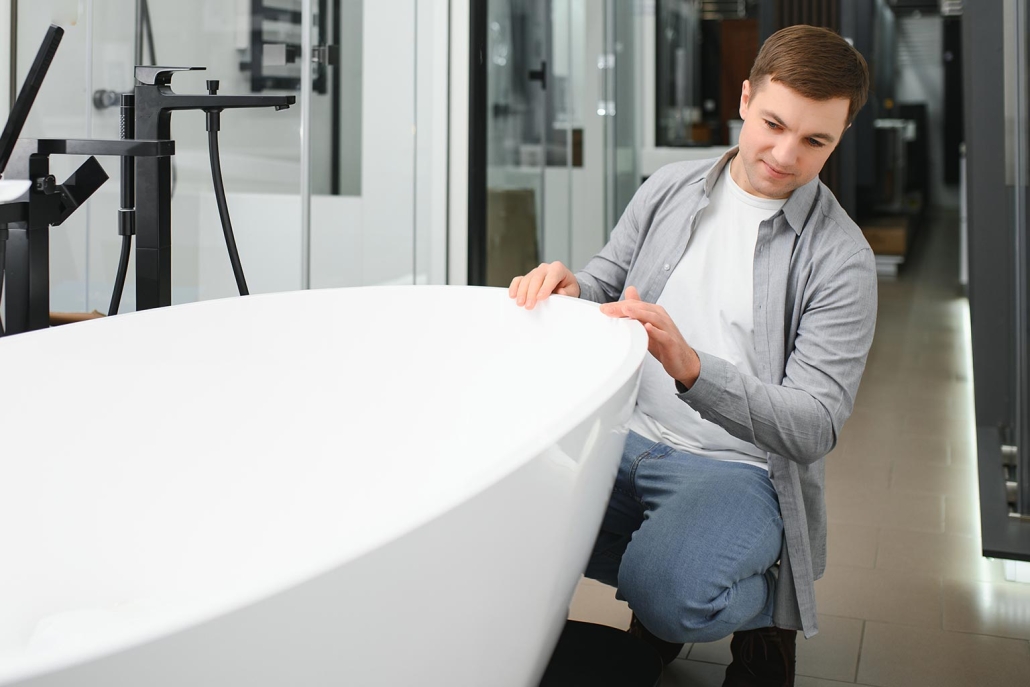
In contemporary interior design, the bathroom has evolved into more than just a functional space—it has become a place for relaxation, wellness, and personal retreat. Among the most important elements shaping this transformation is the bathtub. Today, architects and homeowners are increasingly turning to solid surface bathtubs for their refined aesthetics, seamless structure, and long-lasting performance.
Why Solid Surface Bathtubs Are Gaining Popularity
Unlike traditional acrylic or ceramic tubs, solid surface bathtubs are crafted from a blend of natural minerals and advanced resins. This composition creates a material that is both strong and beautifully smooth, allowing designers to achieve sculptural forms and minimalist elegance.
The non-porous nature of solid surface materials also ensures superior hygiene and durability, making them a preferred choice for luxury residences, hotels, and modern architectural projects.
Timeless Design with Seamless Elegance
One of the defining advantages of solid surface bathtubs is their ability to deliver clean, uninterrupted lines. Without visible seams or joints, the bathtub appears as a single sculpted form. This seamless look aligns perfectly with modern design principles that favor simplicity, balance, and visual harmony.
Freestanding bathtubs made from solid surface materials often become the centerpiece of the bathroom, offering a spa-like atmosphere that transforms everyday bathing into a relaxing experience.
Durability Built for Long-Term Performance
Solid surface bathtubs are engineered to resist scratches, stains, and discoloration. Their robust composition ensures structural stability even after years of daily use. Unlike many traditional materials, small surface scratches can often be repaired through simple polishing, extending the lifespan of the bathtub.
This durability makes solid surface an excellent investment for both residential bathrooms and hospitality environments where performance and longevity are essential.
Comfort and Thermal Stability
Another advantage of solid surface bathtubs is their ability to retain heat longer than many conventional materials. This thermal stability allows bathwater to stay warm for extended periods, enhancing comfort and relaxation. The silky matte texture of the material also provides a pleasant touch, adding to the overall sensory experience.
Customization and Design Flexibility
Solid surface technology allows manufacturers to create bathtubs in a wide variety of shapes, sizes, and finishes. Whether it is a minimalist oval tub, a contemporary rectangular design, or a bespoke custom project, the material can be molded to meet specific architectural requirements.
This flexibility is particularly valuable for designers and developers seeking unique bathroom concepts that stand apart from standard solutions.
Conclusion
As modern bathrooms continue to evolve toward wellness-focused spaces, solid surface bathtubs are becoming a defining feature of contemporary design. Their seamless beauty, exceptional durability, and design versatility make them a perfect choice for projects that demand both elegance and performance.
For architects, designers, and homeowners looking to create a sophisticated bathing environment, solid surface bathtubs represent the ideal balance between innovation, comfort, and timeless style.


